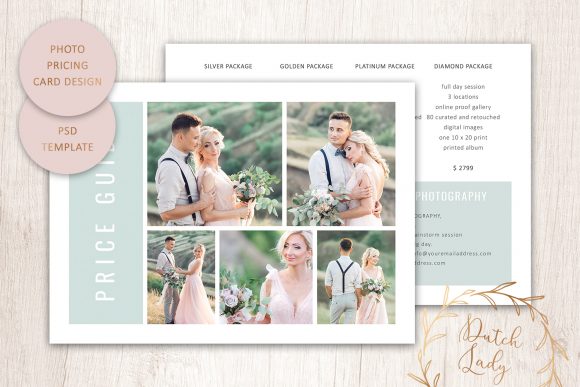
Master PSD Photo Price Card Template #23 for Professional Results
When you need to present a product or service, the medium is often as important as the message. A poorly designed price card can undermine the value of what you're offering. PSD Photo Price Card Template #23 provides a structured, professional foundation that lets your content take center stage. It’s a practical tool for anyone who needs to create clear, attractive pricing materials without starting from a blank canvas.
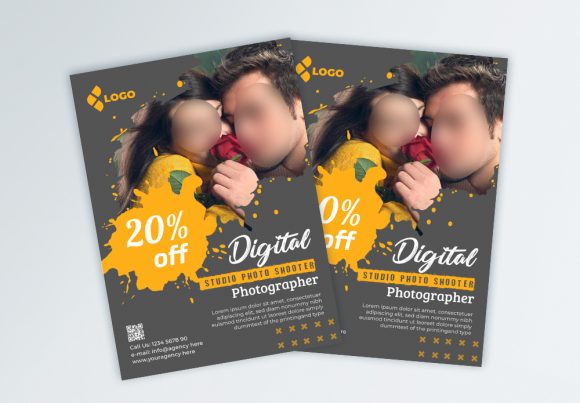
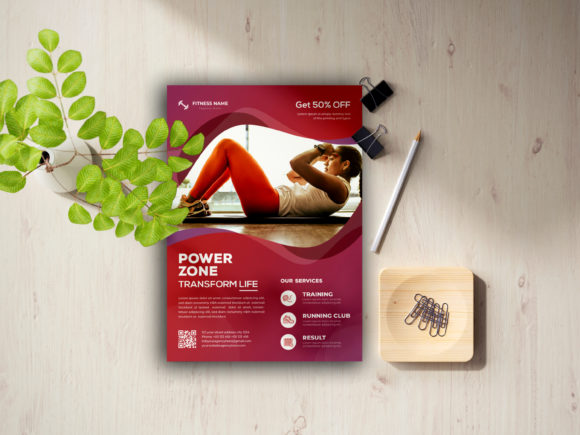
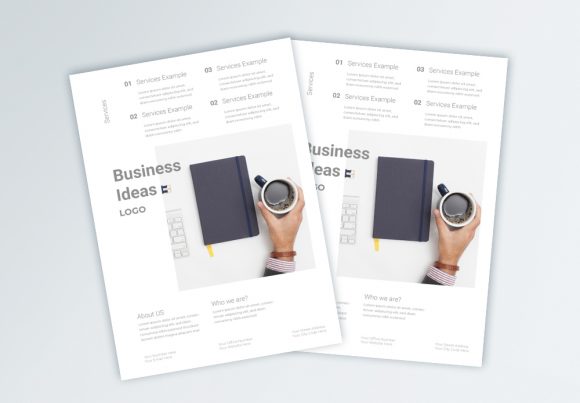
This template is built for real-world use. The design is clean and contemporary, with a balanced layout that guides the viewer's eye naturally from the product image to the key details. It avoids trendy flourishes that might date quickly, focusing instead on clarity and functionality. The overall personality is one of straightforward professionalism—it’s versatile enough for a boutique coffee shop, a freelance photographer, or a handmade jewelry business. The style prioritizes readability and visual hierarchy, ensuring your prices and descriptions are immediately accessible.
Practical Applications Across Industries
The true value of a design asset like PSD Photo Price Card Template #23 lies in its adaptability. It’s not just for photographers. Think of it as a foundational piece for your brand identity toolkit. A small business owner can use it to create consistent menu cards for a café or a service list for a salon. A marketer might adapt it for a product launch flyer or a trade show handout. The standardized 7x5 inch US postcard size makes it instantly compatible with most print shops, removing a common hurdle for those new to professional printing.
For designers and content creators, this template is a time-saver that doesn’t sacrifice quality. The layered PSD files allow for deep customization. You can adjust the color scheme to match a client’s brand palette, swap out fonts to align with their existing typography, and reposition elements to fit a specific aesthetic. This level of control means the template can be used repeatedly for different clients or projects, each time yielding a unique result that still feels professionally composed. It’s a practical example of using modern typography and layout principles to create consistent, recognizable brand materials.
Key Features for Seamless Customization
What makes this template particularly user-friendly is its focus on editable elements. Every text layer is fully customizable—not just the words, but the color, size, and position. This is crucial for maintaining brand consistency. If your brand uses a specific serif font for headings and a sans serif font for body text, you can implement that directly. The inclusion of the font files used in the design is a thoughtful touch, eliminating the guesswork and ensuring you can replicate the intended look exactly.
The color customization extends to the layout components, such as the background and text banners. This allows you to create a cohesive visual story. For example, you could design a series of price cards for a seasonal promotion, each with a different color accent but the same core layout, strengthening brand recognition. The template is designed to be compatible with Adobe Photoshop CS6 and later versions, which covers a wide range of professional environments. However, it’s important to note it is not compatible with Photoshop Elements, a key consideration for hobbyists or those using more basic software.
From Digital File to Printed Asset
A common question with any digital template is about the final output. The printing of the card is your responsibility. This is actually an advantage, as it gives you full control over the quality, paper stock, and finish. You can choose a local printer you trust or an online service that offers the specific paper weight or matte finish you prefer. The template includes sufficient bleed and trimming space, which is a professional standard that print shops require to ensure clean, edge-to-edge color without white borders.
Before sending your file to print, always do a final review. Check that all text is legible, especially smaller details like terms and conditions. Ensure the contrast between text and background is strong enough for easy reading. Test the visual hierarchy: does the most important information—likely the price or product name—catch the eye first? Using the template’s structured layout as your guide, you can make minor adjustments to spacing or font weight to perfect the flow. This attention to detail is what separates an amateur project from a polished, professional piece.
Choosing and Evaluating the Template for Your Project
Before committing, consider the template’s personality against your project’s needs. Is your brand modern and minimal? The clean lines of PSD Photo Price Card Template #23 will likely be a good fit. If your brand is more ornate or vintage, you might need to invest more time customizing colors and fonts to bridge the style gap. Look at the included layout as a skeleton. Can you envision your product photography and brand colors working within its structure?
Think about font pairing. The template comes with its own fonts, but part of the customization is changing them. If you have an existing brand font, especially a display font for logos or a script font for accents, you can integrate it. The key is to maintain readability. A highly decorative handwritten font might work for a heading but could become illegible in a paragraph. Always test your chosen fonts at the actual print size to ensure they remain clear.
Ultimately, PSD Photo Price Card Template #23 is a practical design asset. It solves the immediate problem of creating a professional price card efficiently. Its strength lies in its balanced design, thorough customization options, and print-ready specifications. For entrepreneurs, designers, and creators, it’s a tool that can elevate the presentation of your offerings, helping to build a cohesive and professional brand identity through consistent, well-executed print materials.